By Haylee Williams
I recently learned of the concept of Swedish Death Cleaning. If you have never heard of it, it is a practice in Sweden where a person prepares for their own death by downsizing possessions and considering what items are and are not worth keeping. It is intended to be a blessing to the loved ones they will leave behind when they die. Essentially, it is the opposite of hoarding.
This careful process examines each item a person owns, considering its long-term value. Some items are kept because of their sentimental value—photos and wedding china. Some items are kept because of their monetary worth—jewelry, coins, and crystal. What is kept is considered to be a family heirloom—something of value beyond the current moment, beyond today.
This concept seems intuitive. As we near death, we prepare for it—yet death is both certain and unpredictable. We should be Swedish Death Cleaning regularly—long before we think we are nearing death. Yet in a culture that constantly demands more, we would do well to have much, much less. What struck me most about this concept, however, was not just the physical possessions—it was the legacy we leave behind when we die.
As I considered Swedish Death Cleaning, I began to think about how it could shape my life if I did more than simply assess physical possessions for value. What if I used the lens of death to evaluate how I live today? By God’s grace, His Word gives an answer to this question in the book of Ecclesiastes.
Living an Heirloom Life
One of the main points the Preacher expresses throughout Ecclesiastes is that death is certain (Ecc. 9:1–3). Life is meant to be enjoyed, and no matter what happens—whether good or bad—the ending is the same for everyone. He encourages us to live with death in mind. He pushes us to ask, “If I were to die tomorrow, would this really matter?” With this question in mind, I want to reflect on how mothers can live what I will call “heirloom lives.”
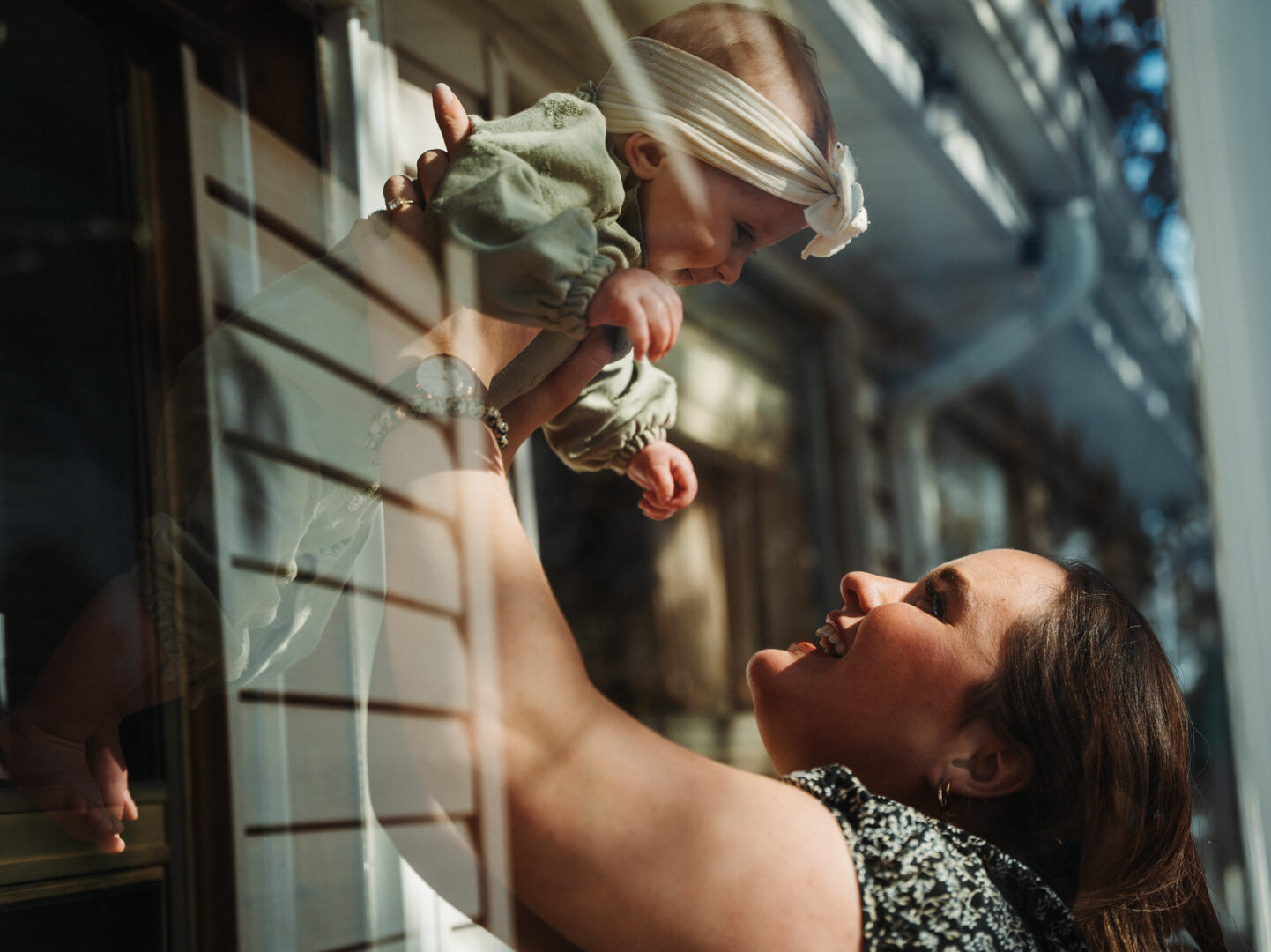
Motherhood is one of those things that seems like it should feel deeply fulfilling and meaningful. We know it is meaningful—in the sense that it is the raising of souls—and many enter motherhood expecting it to feel as important as it is spiritually. But it does not take long before the mundane, seemingly meaningless moments start to pile up. Dishes pile up, car seats are full of snacks, new winter clothes cost a fortune, spills must be cleaned, babies must be rocked and toddlers must be tucked in, shoes must be tied—and then you wake up and do it all over again. What once felt like the most important job in the world quickly becomes monotonous and unfulfilling. We start to wonder: Does this really matter? In these types of moments, I think the pursuit of an heirloom life becomes a lifeline.
When we look at our lives through the lens of death—asking, “Will this matter when I die?”—we begin to see that what we are producing within our homes is not boring or unfulfilling; it is eternally meaningful. If I died tomorrow after a day spent joyfully cleaning my home, caring for my children, forgiving and apologizing, and trusting Christ with my life and my children’s lives, what I would leave behind is not just a clean home. In fact, the clean house would not last five minutes—but my legacy of faith in Christ could last for millennia.
If I died tomorrow, my children’s teeth would be brushed and their laundry would be done. Those things are necessary, but I hope they are not all my children will know about their mother. When I carry out these tasks with a heart to please Jesus and tell them of the goodness of our Savior, my death does not leave behind things that will gather dust or burn up in flames. My life—and my death—will leave behind an heirloom of faith in Christ that, Lord willing, will be passed down long after my descendants no longer remember my name. My descendants in 200 years may never know “Haylee,” but by God’s grace, may they know Christ deeply.
Leaving a Lasting Legacy of Faith
Living an heirloom life helps us consider what to prioritize in our day-to-day lives. If we ask, “Will this matter when I die?” we can more easily decide how to spend our time and talents—and what is worth pursuing. It helps us weigh whether spilled milk is worth crying over, if we should scrub the bathtub, or if we should read a bedtime story. If something does not line up with leaving behind a legacy of faith in Christ, it should rank low on the priority scale.
Hard work, hospitality, and sacrificial service—including wiping bums or sitting in carpool lines—are acts of beauty that decorate an heirloom life. Sharing the gospel with our children and seeing them come to faith are shining moments, but three meals a day, hugs, cuddles, and endless question-answering all lead upstream to those shining moments. This is where we find purpose in what feels pointless.
The lens of death changes how I live today. Its certainty and unpredictable timing cause me to Swedish Death Clean my heart all day, every day. In selfless service to my children and my church, I am building a legacy that will outlast the cups of milk I poured this morning. In the small, mundane, and seemingly meaningless aspects of life, I am leaving behind the heirloom of Christian faith for my children—and that makes every boring and mundane task worth it. Like a beautiful gold ring passed down through generations, I want my life’s heirloom of faith to be passed on long after my name is spoken by my family.
Haylee Williams | Author of God of Forever
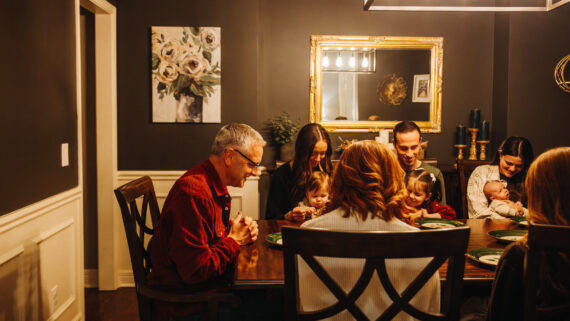
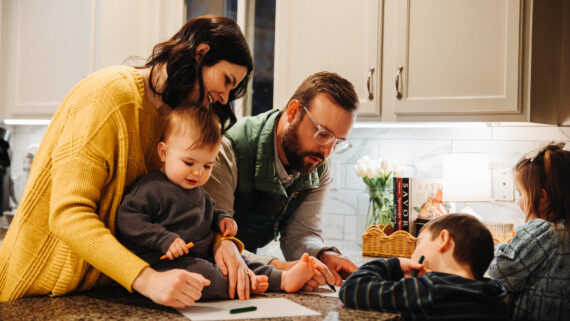
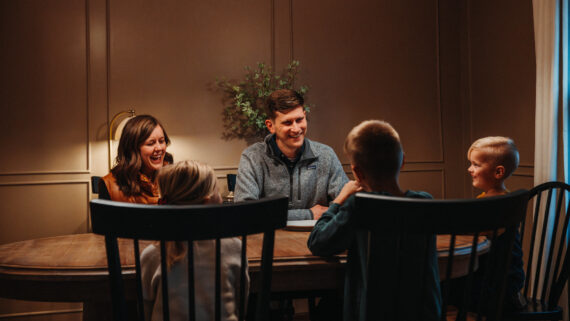
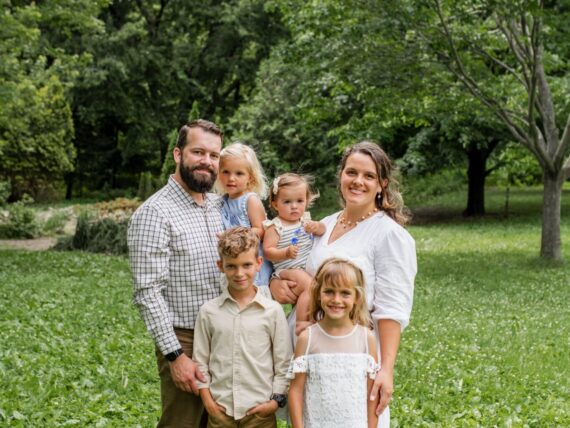
Pictured: Daniel Sylvester, M.A. in Biblical Counseling, 2023, and Clara Sylvester, M.Div., 2022, and their family.