Faculty Highlight: Matt Boswell | Professor of Worship Ministries and Visiting Worship Leader
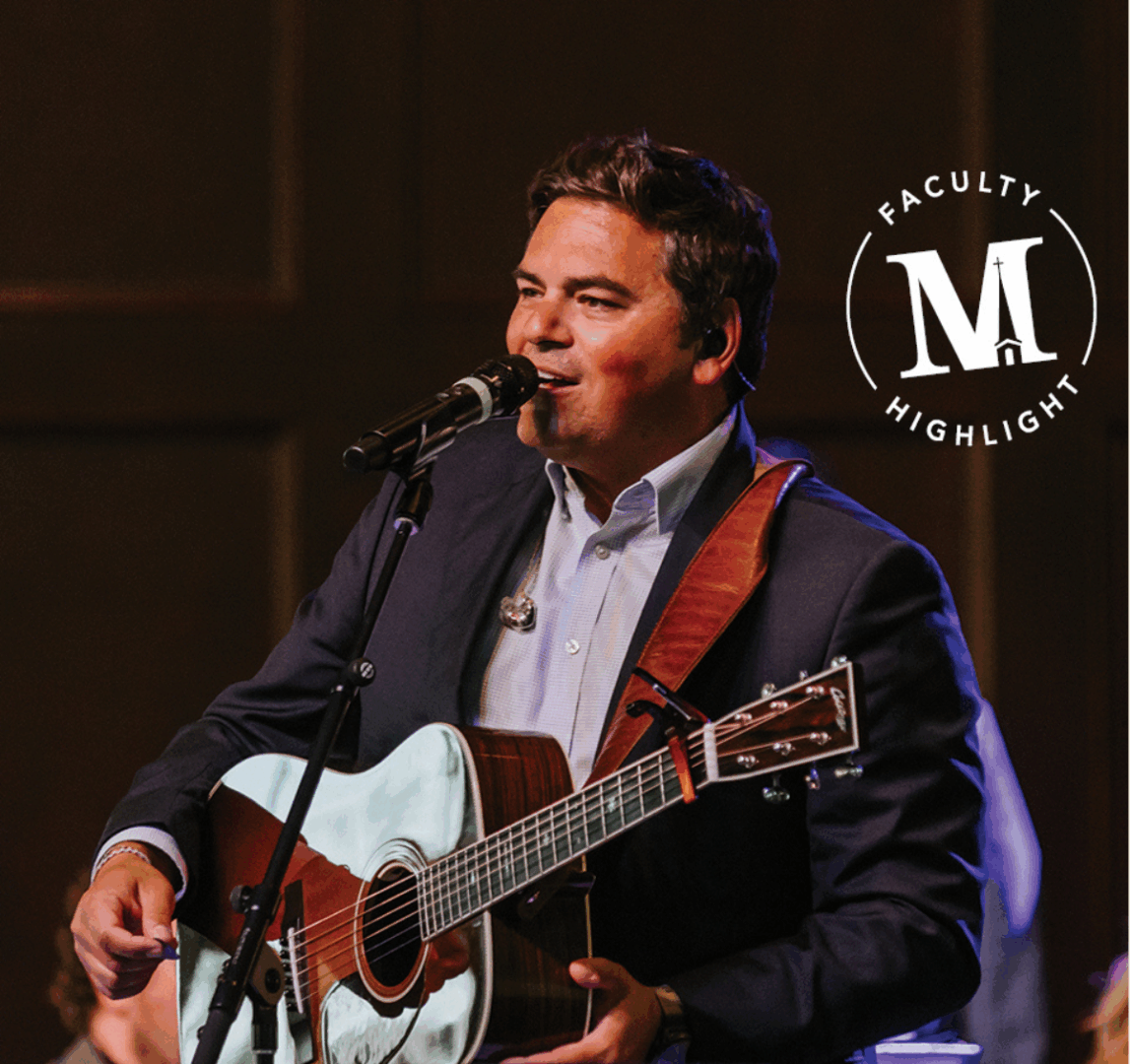
Matt Boswell joined the Midwestern Seminary and Spurgeon College faculty in 2025 as Professor of Worship Ministries and Visiting Worship Leader, training the next generation of pastors and worship leaders for the Church. He is the planter and lead pastor of The Trails Church in North Texas and a widely respected hymn writer known for songs including “His Mercy is More,” “Come Behold the Wondrous Mystery,” and “Christ Our Hope in Life and Death.” He has been involved in worship leading and songwriting for 30 years and is founder of Doxology & Theology, a ministry aimed at equipping and encouraging gospel-centered worship.
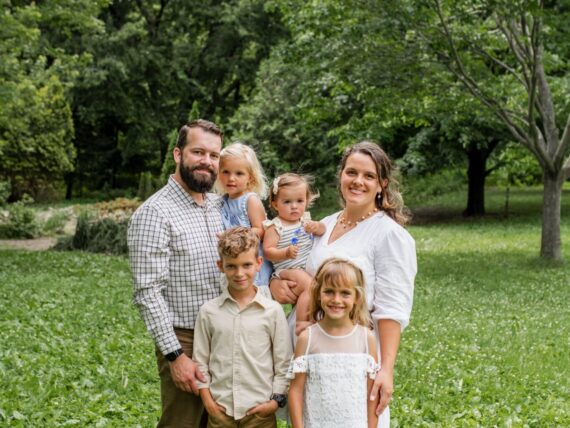
Dr. Boswell holds a master’s degree in Christian ministry, a Th.M. in Biblical Spirituality, and a Ph.D. in Christian Worship from Southern Seminary in Louisville, Kentucky. He lives in Texas with his wife, Jamie, and their four children. In his free time, he enjoys spending time with his family, watching Manchester United, and drinking quality coffee—to the glory of God.
MBTS: In what ways does your love for leading worship influence your pastoral ministry?
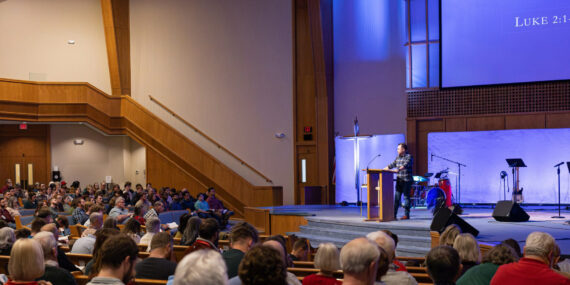
Matt Boswell: It’s impossible for me to think about pastoral ministry apart from the influence of worship leading in my life. The two are intertwined. My aim in every song our church sings is that the truths of the gospel would ring in our hearts. My hope in every sermon I preach is that those same truths would ring through our lives. I treasure standing with our church, side by side, lifting our voices in praise. I equally love standing before my church, eye to eye, proclaiming the glory of Christ through His Word.
MBTS: How can pastors, especially those who don’t serve as music leaders, be involved in leading their church’s worship?
Matt: The call to oversee a church is the call to oversee its gathering. One expression of pastoral ministry involves shepherding the service from the call to worship to the benediction. Though the pastor (or other elders) may not lead every element of the service, the pastor is still responsible for what is sung, what is said, what is prayed, and each emphasis made. One of the ways our churches can be strengthened today is by having pastors once again take up the call of this high and holy privilege.
MBTS: What are some ways that the biblical spiritual disciplines help cultivate virtue?
Matt: Though definitions of spiritual disciplines differ, it’s clear that Scripture calls Christians both to see God’s good gifts and to dwell on the invisible Giver (James 1:17). It’s also clear that dwelling on the unseen does not come naturally to us as we stumble toward heaven in this fallen world (2 Cor. 4:18). A “spiritual discipline,” then, is a practice of focused attention on the invisible God (1 Tim. 1:17) by strategically denying ourselves His good gifts for some time. This definition obviously fits fasting, but it also fits many other biblical practices. For example, private prayers and devotional reading of Scripture deny us earthly company and input so that we can attend to the presence of God and His written voice.
Christians throughout the centuries have talked about “virtue” as the growth and putting-right of a soul. Who we are determines what we do, just like a good tree produces good fruit (Matt. 7:18). For the believer, we are “good trees” because we have been grafted into (Rom. 11:17–18) the One hung on a tree for us (Gal. 3:13–14), and He is the Righteous One, like a fruitful and stable tree planted by streams of water (Ps. 1:3). Meditating on God’s Word (Ps. 1:2) and tending to God’s presence in prayer (Heb. 4:16) cultivate virtues by reorienting us to God’s presence, power, and promises, empowering us to live in light of what He has revealed (1 Pet. 4:11).
MBTS: What advice do you have for church music leaders and songwriters to balance creativity and “singing a new song” alongside the rich heritage of Christian hymns?
Matt: The hymnal of the church has no back cover. While the canon of Scripture is closed, our hymnal remains an ever-growing testimony of praise. We rightly continue to sing the historic songs of our faith, yet we should not blush to add new expressions of worship to God. Many recent hymns are biblically faithful, theologically rich, and congregationally edifying.
The “new song” we sing is shaped by the “old song” of redemption (Exodus 15) and anticipates the song we will sing before the throne of the Lamb (Rev. 5:8–10). Through the lens of the past, and with an eye to the future, our songs find their place in the unfolding story of God.
MBTS: As a professor, what values do you seek to impart to the next generation of pastors and ministry leaders?
Matt: As a professor, my call to the next generation of pastors and worship leaders is that they would be committed to always reforming: continually shaping their lives, families, churches, and ministries according to the Word of God. I want the next generation of pastors and worship leaders to think carefully about what the church is, understand what the church is commanded to do, and see the church gathering as a high and holy privilege. I pray that those I teach will love the church in which the Lord has planted them, cherish the good news of the gospel, and experience deep and abiding communion with Christ.