KANSAS CITY, Mo. – As one of Midwestern Seminary’s For the Church Cohorts, the Biblical Counseling Cohort is designed to shape students not only in skill, but in wisdom, character, and competency to provide biblical guidance to those facing real struggles. Created for first-year residential biblical counseling students, the cohort provides the opportunity to learn from experienced practitioners while beginning formal training in biblical soul care.
Through guest lectures, discussion-based learning, and exposure to additional training through the Center for Biblical Counseling, students are shaped while forming meaningful community.
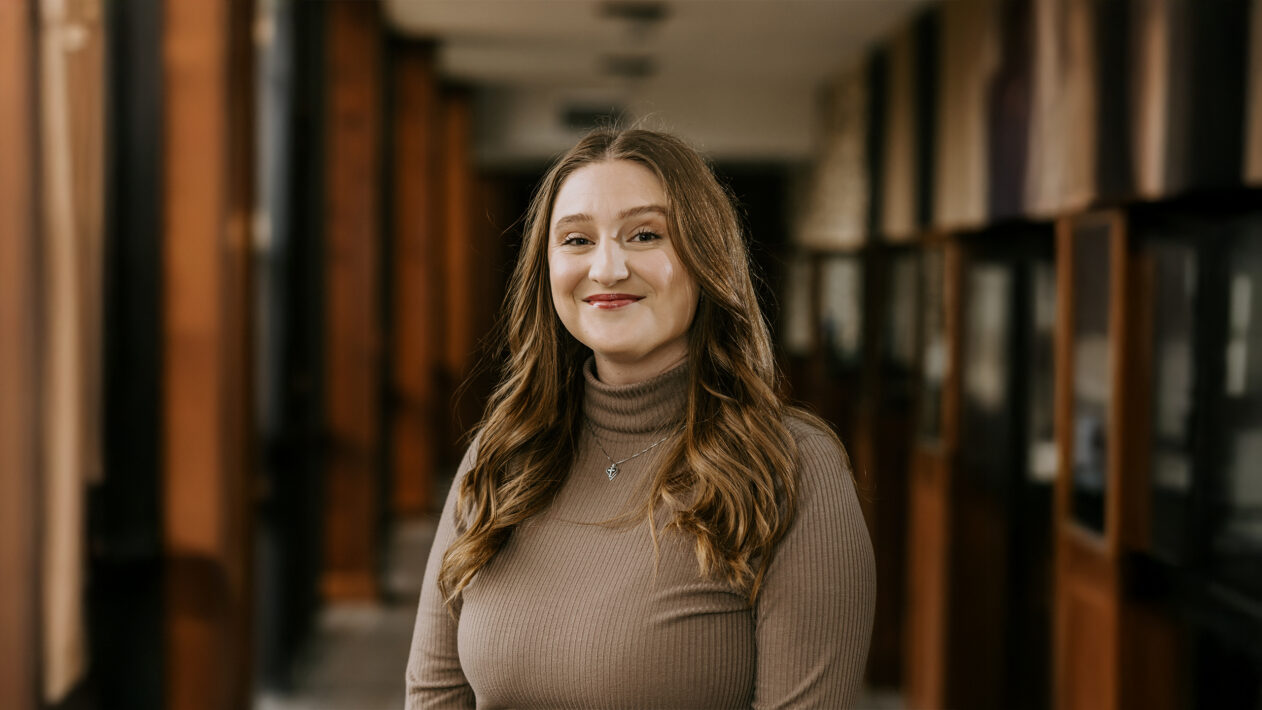
In this spotlight, we introduce Marisol Harper, a Midwestern Seminary student who completed the Biblical Counseling Cohort. She shares how the experience shaped her approach to ministry, counseling, and life in the church.
1. What drew you to the Biblical Counseling Cohort, and how has it shaped your approach to ministry or counseling so far?
I wanted to do the Biblical Counseling Cohort because I desired more hands-on mentorship from teachers with plenty of experience. I already knew Dr. Johnson from his podcast Truth in Love and wanted to study under him. While I am still working toward my Association of Certified Biblical Counselors certification, my experience in the cohort has pushed me to be quicker to listen and stand alongside my sisters in Christ going through difficult times. It used to be easier to allow hard conversations to go by, but now I desire more than ever to truly grieve with them and point them to how the Word applies to their situations.
2. How has your experience in the cohort helped you apply biblical counseling principles in real-life situations?
Though there have been many instances of using biblical counseling principles in my three years at Midwestern Seminary, the most significant was when my husband and I lost our daughter. My biblical counseling training came to mind repeatedly because I knew how easy it would be to let my pain dominate my life. However, we are not at the mercy of our circumstances, and the Word makes it clear that our pain is not supposed to have a quick fix, but it should move us to lean on God more than ever. Scripture is the balm to the soul, and it is why we could get up in the morning. Gospel hope reminds us daily of the joy to come in the Lord. “And He will wipe away every tear from their eyes; and there will no longer be any death; there will no longer be any mourning, or crying, or pain; the first things have passed away” (Rev. 21:4).
3. What aspects of the cohort community have been most meaningful to you?
Having peers in the cohort was one of the most important things for my growth. Not only did I have other students encouraging me, but I met my best friend in the cohort. We were each other’s maid of honor and support each other constantly. Dr. Johnson was a phenomenal mentor in my first year, and I was blessed to find even more great teaching in the past couple years as I took classes with Dr. Adkins, who equipped me greatly in difficult areas of counseling. They were not afraid to care for us like we were their flock at a church, and it encouraged me greatly to feel a sort of pastoral care even at school.
4. Why would you recommend the Biblical Counseling Cohort to someone considering graduate studies in ministry or counseling?
Why wouldn’t you do it! No matter what ministry role you have in the church, you need to learn how to bear one another’s burdens while giving helpful biblical counsel. We may be able to point to theology in academics, but biblical counseling is one of the most practical cohorts you could join. Every Christian is tasked with caring for other members of the church, so this is the chance to gain confidence in caring for the church well through the sufficiency of Scripture.
5. How has being on campus and part of the residential cohort enhanced your learning and community experience?
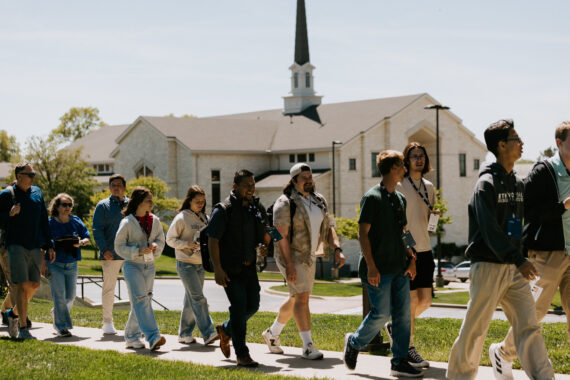
I wanted to do online studies at first since I lived over 1,000 miles away from Kansas City, but going to Preview Day showed me that being on campus would allow me to learn directly under ministry leaders. There is so much value in broadening your network with the church so that you can support and learn from others around the country and world. Being a residential learner allowed me to grow deep relationships that will last a lifetime even if we are physically apart. I could stay after class and ask hard questions with professors, get coffee with them, and feel more equipped walking away from class. Though I was leaving a great home church and family, I felt that I would be best equipped to live for the church by coming in person and bring what I learned to wherever the Lord called me instead of remaining where I was.
To learn more about the Biblical Counseling Cohort, click here.
By Jonathan Lumley